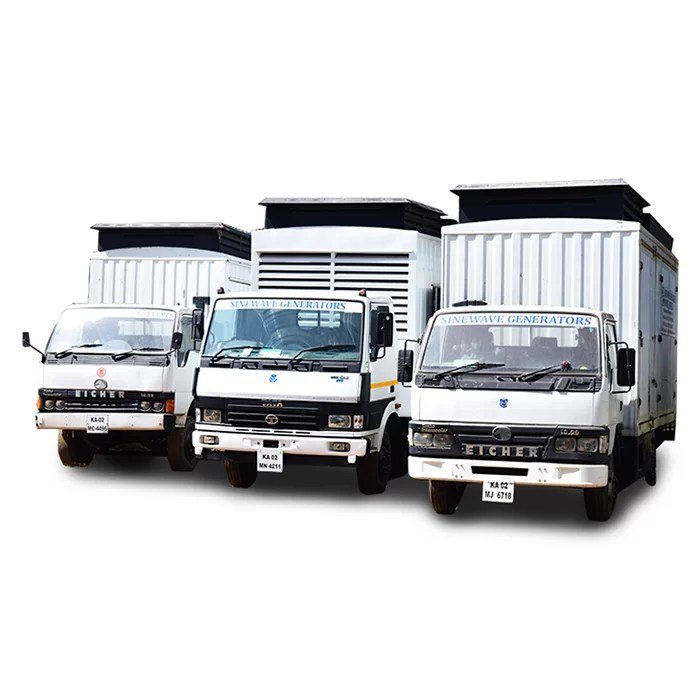
In an unpredictable world, reliable power isn't just a convenience—it's a necessity. From unexpected power outages at home or a critical business facility to powering remote construction sites far from the grid, the ability to generate electricity on demand is invaluable. Renting a generator offers a flexible, cost-effective solution, providing the peace of mind and operational continuity you need without the significant upfront investment and long-term maintenance burden of ownership.
This guide serves as your comprehensive hub for understanding everything about renting generators, ensuring you make informed decisions for your specific power needs. We'll explore the diverse world of generator rentals, from sizing and types to operational insights and strategic considerations, connecting you to deeper dives on crucial topics.
Powering Through Uncertainty: The Essential Role of Rental Generators
Imagine a severe storm knocking out power for days, halting operations, or a crucial remote jobsite needing consistent energy to meet deadlines. In these scenarios, a rental generator isn't just equipment; it's a lifeline. Rental generators provide immediate access to robust power solutions, ensuring lights stay on, tools keep running, and essential systems remain operational. This flexibility is what makes them indispensable for emergency preparedness, temporary events, and challenging off-grid projects.
While focusing on generators, understanding broader asset management can be useful. For example, when considering diverse investments, Berikut adalah beberapa opsi: Explore rental opportunities beyond equipment might even cross your mind, showcasing the versatility of rental assets in general.
Finding Your Perfect Match: Sizing and Types of Rental Generators
Choosing the right generator is critical. Too small, and you won't power everything you need; too large, and you're wasting fuel and money. Rental experts are available to guide you, but understanding the basics empowers you to make smarter choices.
Decoding Generator Sizes and Outputs
The key to sizing is understanding wattage. You'll need to calculate the total wattage of all the appliances and equipment you plan to power simultaneously. Don't forget to add the highest single starting wattage of any motor-driven device (like a refrigerator or power tool), as these draw a significant surge of power upon startup.
Generator rentals come in a vast range, from small, portable 2,000-watt units perfect for basic emergency power or small tools, up to heavy-duty 300-kilowatt commercial generators capable of powering entire facilities or large construction sites. Rental providers like United Rentals and Sunbelt Rentals offer expertise to help you determine the exact size and type for your unique application.
Portable, Towable, and Commercial Solutions
Rental fleets are incredibly diverse, featuring top manufacturers like Honda, Generac, Multiquip, and DeWalt. You'll find options tailored to different needs:
- Portable Generators: Compact and easy to move, ideal for smaller tasks, camping, or minor backup power.
- Towable Generators: Mounted on trailers, these larger units offer significant power output and are easily transported to various jobsites.
- Commercial-Sized Generators: These robust units are designed for heavy industrial use, providing substantial, continuous power for large-scale operations.
Many modern rental generators also boast features like low emissions for environmental compliance, reduced noise levels for quieter operation, and robust construction for demanding environments. Even in the equipment rental sector, strategic planning is key. If you're thinking about long-term asset utilization, you might want to Learn rental property strategies for diversifying your business portfolio.
Operational Excellence: Fuel, Run Time, and Maintenance for Renters
While renting simplifies many aspects of generator use, understanding its operational requirements is essential for efficiency and safety.
Understanding Fuel Consumption and Run Time
The duration a generator can run on a full tank depends significantly on its fuel capacity and the load it's carrying. On average, a typical unit might run 8-12 hours on a full tank of gas. With continuous refueling, generators can operate for days at a time. However, this isn't recommended without proper oversight.
Fuel consumption rates vary dramatically: a 10-kilowatt generator might consume just under a gallon per hour at full load, while a heavy-duty 200-kilowatt unit could consume up to 15 gallons per hour. Always consult the product manual or ask your rental provider for detailed specifications on fuel consumption for the specific model you're renting. Securing funding for any large-scale rental fleet, be it generators or other assets, shares some principles with real estate. To understand capital allocation, How to Finance Rental Properties Explore various approaches that could inform your equipment acquisition.
The Criticality of Proper Generator Maintenance
Just like any engine, a generator requires regular maintenance and routine lubrication to function optimally. While rental companies handle the primary maintenance, continuous operation for extended periods without brief shutdowns for checks can cause permanent damage. Always follow the rental provider's guidelines for extended use and report any issues immediately. This ensures the generator remains reliable and safe throughout your rental period.
Beyond the Basics: Strategic Considerations for Generator Rentals
Renting a generator isn't just about picking a unit; it's about strategic planning to ensure continuous power. This includes considering delivery, setup, fuel management, and understanding the support offered by your rental partner. They can help optimize your rental duration and ensure you have all necessary accessories, like cables and fuel tanks.
Managing a fleet of rental generators requires diligent oversight, much like any valuable asset. For insights into maximizing returns and operational efficiency, consider how Property Management for Rental Income principles apply to your generator fleet, even if your fleet size is just one unit for a critical need.
Maximizing Your Investment: Getting the Most from Your Rental
Your rental generator is an investment in continuity and productivity. To maximize its value, clearly define your power needs, communicate them thoroughly with your rental provider, and adhere to operational guidelines. A well-chosen and properly managed rental generator ensures your projects stay on track, and your operations remain uninterrupted.
Ultimately, the goal is to get the best return on investment. To Increase your rental profits. Boost rental of your generator assets, meticulous planning and expert service are essential, whether you're powering a construction site, an event, or weathering a storm.
Choosing to rent a generator means choosing resilience and efficiency. By understanding the options, planning ahead, and leveraging expert advice, you can ensure your critical power needs are always met, keeping your work going and your operations smooth, no matter the challenge.